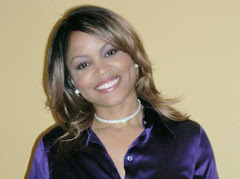
It’s happening folks! It’s happening! On hitsamillion.ning.com, members are seeing some of their goals come true! Some are getting opportunities for radio airplay. Some are expanding their reach, their brand, and their audience by getting on-air interviews. Some are meeting producers and songwriters to help their artists or themselves put out their very first CD! Some are getting the information they need to grow as aspiring artists, songwriters, producers, engineers and record label executives. Some people are making sales! Some are finding people in their area or outside their small town environment. The members of hitsamillion. ning. com are seeing their musical goals come true and I’m happy to say I had something to do with that so I’m meeting my goal of positively affecting others’ lives! How are they doing it? The members are seeing their goals come to pass through networking! Remember all them posts I did on networking? If not, refresh your memory by checking out the month long blogs I did on networking. For real, come and check us out at hitsamillion.ning.com!
Thedy B
Showing posts with label artists. Show all posts
Showing posts with label artists. Show all posts
Saturday, August 2, 2008
Tuesday, January 15, 2008
In Songwriting News: Should music be free?!!!!!!
If you want to know, ask these 2,000 people:
From billboard.biz:
EMI Confirms Up To 2,000 Job Cuts January 15, 2008 - Global
By Andre Paine, LondonEMI confirmed today that it will cut up to 2,000 jobs worldwide in its Recorded Music division as part of a major restructuring of the company.The new private equity owners Terra Firma say the cuts will save up to £200 million ($392.2 million) a year and will enable the group to become the world's "world's most innovative, artist-friendly and consumer-focused music company." The changes include a focus on A&R and encouraging new revenue streams from digital services and corporate sponsorship.EMI Group chairman Guy Hands is today announcing the reshaping of the company -- home to Coldplay, Kylie Minogue and Norah Jones -- in a series of presentations to staff, artists and managers. The group says the changes will be implemented over six months and are intended to enable it to invest more in A&R operations, in order to sign strong new artists and maximise the potential of the existing roster of acts.In addition to the repositioning of the labels to make them completely focused on A&R, the changes also include developing a new partnership with artists "based on transparency and trust" that will help them monetize "the value of their work by opening new income streams such as enhanced digital services and corporate sponsorship arrangements."Other plans for the restructuring include bringing together key support activities including sales, marketing, manufacturing and distribution into a single division with a unified global leadership. Hands also announced his intention to eliminate significant duplications within the group to simplify processes and reduce waste.EMI says the changes reflect the rapidly-changing nature of the music industry and the restructuring follows an "intense" three month consulation review of the business by Terra Firma, following its acquisition of EMI for £3.2 billion ($6.3 billion) last year.The new owners were already facing an artists' revolt even before today's announcement, with Robbie Williams' manager expressing concern about the direction of the company and Coldplay's manager voicing his "confusion" at the departure of EMI U.K. Chairman and CEO Tony Wadsworth last week.However, the company claims many of the measures being implemented have come at the suggestion of staff, artists and their managers."We have spent a long time looking intensely at EMI and the problems faced by its Recorded Music division which, like the rest of the music industry, has been struggling to respond to the challenges posed by a digital environment," said Hands in a statement.He added: "we believe we have devised a new revolutionary structure for the group that will improve every area of the business. In short, it will make EMI's music more valuable for the company and its artists alike. The changes we are announcing today will ensure that this iconic company will be creating wonderful music in a way that is profitable and sustainable."
From billboard.biz:
EMI Confirms Up To 2,000 Job Cuts January 15, 2008 - Global
By Andre Paine, LondonEMI confirmed today that it will cut up to 2,000 jobs worldwide in its Recorded Music division as part of a major restructuring of the company.The new private equity owners Terra Firma say the cuts will save up to £200 million ($392.2 million) a year and will enable the group to become the world's "world's most innovative, artist-friendly and consumer-focused music company." The changes include a focus on A&R and encouraging new revenue streams from digital services and corporate sponsorship.EMI Group chairman Guy Hands is today announcing the reshaping of the company -- home to Coldplay, Kylie Minogue and Norah Jones -- in a series of presentations to staff, artists and managers. The group says the changes will be implemented over six months and are intended to enable it to invest more in A&R operations, in order to sign strong new artists and maximise the potential of the existing roster of acts.In addition to the repositioning of the labels to make them completely focused on A&R, the changes also include developing a new partnership with artists "based on transparency and trust" that will help them monetize "the value of their work by opening new income streams such as enhanced digital services and corporate sponsorship arrangements."Other plans for the restructuring include bringing together key support activities including sales, marketing, manufacturing and distribution into a single division with a unified global leadership. Hands also announced his intention to eliminate significant duplications within the group to simplify processes and reduce waste.EMI says the changes reflect the rapidly-changing nature of the music industry and the restructuring follows an "intense" three month consulation review of the business by Terra Firma, following its acquisition of EMI for £3.2 billion ($6.3 billion) last year.The new owners were already facing an artists' revolt even before today's announcement, with Robbie Williams' manager expressing concern about the direction of the company and Coldplay's manager voicing his "confusion" at the departure of EMI U.K. Chairman and CEO Tony Wadsworth last week.However, the company claims many of the measures being implemented have come at the suggestion of staff, artists and their managers."We have spent a long time looking intensely at EMI and the problems faced by its Recorded Music division which, like the rest of the music industry, has been struggling to respond to the challenges posed by a digital environment," said Hands in a statement.He added: "we believe we have devised a new revolutionary structure for the group that will improve every area of the business. In short, it will make EMI's music more valuable for the company and its artists alike. The changes we are announcing today will ensure that this iconic company will be creating wonderful music in a way that is profitable and sustainable."


Artists, STAND UP!!!!!!!!!
I recently heard on V103.3 that Lupe Fiasco is so upset with the music industry and sales/the downloading issue, etc, that he's threatening that his current album will be the last album he puts out. He will instead just perform for free. And I feel him!
Not being compensated for what you do and what you bring into the world is slavery! Why do people always want things for free?! If our industry was any other industry in which someone expected a lot for nothing, we would be outraged. If this was the computer industry and you could get all the free software you wanted, I'm sure the geeks of the world would stay hell no! But then again this is America! Have we gotten so spoiled with having things for little of nothing that we devalue everything? I mean where else can you buy 10 value menu items for $1? Where else are there one dollar stores? Where else has man gotten "free" labor from its own people? So why would it be surprising that Itunes and Walmart would introduce music for $.99 and $.88? Why would it be surprising that when you google "free music" or "free music downloads," there are 57,400,000 hits and growing?!!!!!!
I was recently working to get an author who is my client some speaking engagements. For the large part, we've been successful: in fact (self-plug) make sure you look out for JaWar at a music conference near you!!!!! Now! Now, artists, managers, music professionals, etc pay their hard earned money to attend these conferences, pay money to perform, and spend money buying business cards, making CDs, and promo kits. Sponsors spend their hard earned money trying to make the conference happen and help with advertising and branding their name. However, these two music conferences said they don't pay their speakers!!!!!!! What the hell! How in the hell can you have a music CONFERENCE without speakers and why in the world would I as a speaker, pay money out of my own pocket to travel, stay in a hotel to attend YOUR conference, pay for parking, possibly a rental car, and buy food for an all day, half the night conference, and you ain't paying me!!!!! And I know that I'm adding value to your conference! I'm giving YOU the content you need to make your CONFERENCE A CONFERENCE!You've got to be kidding me! If this were an artist showcase, okay, cool: no need for panelists or speakers. But you are having a conference! If anybody should be paid, it should be the speakers! And then one of the conferences kept SAYING they were going to offer some sort of compensation and when pressed about what that compensation was, said we don't operate that way, tell your client, maybe next year! WHATEVER!! Recently a senator asked 6 or 7 ministers what they were doing with the congregation's money, I'd start asking some of these music conferences where is all this money going to anyway?!!!!!!Okay, enough with that (If you want to read my author's comments about this experience, go to his blog or myspace.com/jawarspeaks). My point: everybody wants something for freaking free and free ain't always right!!!!!!!!!
The writers guild has it right!!!!!!! Boycott! The actresses from Girlfriends had it right: Stand the hell up for GETTING PAID!!!!!!! Lupe, you are right! Folks in OUR industry have been too passive about our music being ripped off. The PROs (ASCAP, BMI, and SESAC) are our representatives (and that's only if you've joined those groups so I suggest you find a way to join!) and they have been fighting hard for us but we've got to do our part. If this were a political problem, you'd write letters to your local commissioner, mayor, governor, senator, etc. You'd get a petition started. Have you called ASCAP, BMI, or SESAC and said, enough is enough or asked what you can do to help! If you have the attitude that well, whatever you want to give me is fine, then don't be surprised when they say nothing!
Thedy B, Attorney/Songwriter
Hits A Million, LLC
hitsamillion.ning.com
thedyb.magnify.net
Not being compensated for what you do and what you bring into the world is slavery! Why do people always want things for free?! If our industry was any other industry in which someone expected a lot for nothing, we would be outraged. If this was the computer industry and you could get all the free software you wanted, I'm sure the geeks of the world would stay hell no! But then again this is America! Have we gotten so spoiled with having things for little of nothing that we devalue everything? I mean where else can you buy 10 value menu items for $1? Where else are there one dollar stores? Where else has man gotten "free" labor from its own people? So why would it be surprising that Itunes and Walmart would introduce music for $.99 and $.88? Why would it be surprising that when you google "free music" or "free music downloads," there are 57,400,000 hits and growing?!!!!!!
I was recently working to get an author who is my client some speaking engagements. For the large part, we've been successful: in fact (self-plug) make sure you look out for JaWar at a music conference near you!!!!! Now! Now, artists, managers, music professionals, etc pay their hard earned money to attend these conferences, pay money to perform, and spend money buying business cards, making CDs, and promo kits. Sponsors spend their hard earned money trying to make the conference happen and help with advertising and branding their name. However, these two music conferences said they don't pay their speakers!!!!!!! What the hell! How in the hell can you have a music CONFERENCE without speakers and why in the world would I as a speaker, pay money out of my own pocket to travel, stay in a hotel to attend YOUR conference, pay for parking, possibly a rental car, and buy food for an all day, half the night conference, and you ain't paying me!!!!! And I know that I'm adding value to your conference! I'm giving YOU the content you need to make your CONFERENCE A CONFERENCE!You've got to be kidding me! If this were an artist showcase, okay, cool: no need for panelists or speakers. But you are having a conference! If anybody should be paid, it should be the speakers! And then one of the conferences kept SAYING they were going to offer some sort of compensation and when pressed about what that compensation was, said we don't operate that way, tell your client, maybe next year! WHATEVER!! Recently a senator asked 6 or 7 ministers what they were doing with the congregation's money, I'd start asking some of these music conferences where is all this money going to anyway?!!!!!!Okay, enough with that (If you want to read my author's comments about this experience, go to his blog or myspace.com/jawarspeaks). My point: everybody wants something for freaking free and free ain't always right!!!!!!!!!
The writers guild has it right!!!!!!! Boycott! The actresses from Girlfriends had it right: Stand the hell up for GETTING PAID!!!!!!! Lupe, you are right! Folks in OUR industry have been too passive about our music being ripped off. The PROs (ASCAP, BMI, and SESAC) are our representatives (and that's only if you've joined those groups so I suggest you find a way to join!) and they have been fighting hard for us but we've got to do our part. If this were a political problem, you'd write letters to your local commissioner, mayor, governor, senator, etc. You'd get a petition started. Have you called ASCAP, BMI, or SESAC and said, enough is enough or asked what you can do to help! If you have the attitude that well, whatever you want to give me is fine, then don't be surprised when they say nothing!
Thedy B, Attorney/Songwriter
Hits A Million, LLC
hitsamillion.ning.com
thedyb.magnify.net
Thursday, January 10, 2008
In Songwriting News - The Billboard Digital Music Live conference at CES
Check out this January 9, 2008 article from pcworld.com about digital record sales:
Digital Music Industry Challenged to Follow Fans' Lead
Music industry executives at the Billboard Digital Music Live conference at CES discussed what the industry needs to do to meet the needs of music fans who appear to be running the show.
Elizabeth Montalbano, IDG News Service
LAS VEGAS -- At the Consumer Electronics Show this year it's clear that consumers are making choices that are driving industry changes, and nowhere is that more evident than in the digital-music business.
Music industry and technology executives convened for the Billboard Digital Music Live conference Wednesday to talk about what those in the business need to do to meet the needs of music fans who appear to be running the show.
"2008 has to be the year we get real or the business as we know it goes away," said Fred Goldring, an entertainment attorney with Goldring Hertz & Lichtenstein LLP. He said that consumers will access music regardless of whether artists, labels, publishers and digital-music distributors approve of the means or receive money from the exchange.
Since Napster turned the music industry on its ear in 2000, the digital-music business has been rocked by dissent among artists, labels, publishers and the breed of technology companies distributing and selling music online that emerged in Napster's wake. All of these parties want to derive revenue from their contribution to the business, but have been arguing for years about how everyone should get paid.
As this drama unfolds behind the scenes, consumers continue to find ways to bypass DRM (digital rights management) and emerging revenue models to download and share music, making it not just impossible for the music industry to make money from traditional means, but also difficult to make money at all. In the meantime, artists have embarked on their own revolution, using social-networking sites and other online means to get their music directly in the hands of fans and finding other ways to derive revenue from their work.
An example of the latter is the controversial and much-publicized move by U.K. rock band Radiohead to sell its new album "In Rainbows" direct to consumers without going through its record label or Apple's iTunes Store. The album first went on sale in October on Radiohead's Web site, allowing users to choose their price for the record; a few weeks ago, Radiohead released the record to iTunes and other retail channels.
Scenarios like this will continue to happen, both among major-label artists and independent or unsigned artists. Whether they work is not the point; it's what the industry will do to work within these models and support them rather than continue to resist that will decide how the industry will fare in the future, said Terry McBride, CEO of Nettwerk Music Group. Nettwerk is a Canadian privately owned record label and artist management company.
"The corporate side of it has to shift," he said. "The corporate people have not allowed us to do what we know we have to do. This is about the consumer, about monetizing their behavior and giving them choice. For all of the people that believe in controlling the IP and how [the music] gets to consumers, the game is over. It was over seven or eight years ago, and soon your business will be over."
Goldring suggested the industry focus on business models built solely around the networks that allow users to download music and find ways for everyone involved to make money that way.
"We have to stop trying to keep our old business alive .. and figure out how to monetize the pipes [music files] are going through," he said.
Barney Wragg, head of digital, EMI Music Group, said that in a perfect world, scenarios like the ones McBride and Goldring propose would exist. However, the needs of different artists vary, and there are still concerns about the integrity of their work and how they will be compensated for it as new business models emerge.
"I have artists that don't want to be involved in certain business models," he said. "I have to balance those conflicts. ... There are a whole bunch of artists who are worried about how they're going to get paid, and what this is going to do about their representation or their art."
Allowing their music to be distributed through ad-supported online music services is a particularly hard sell for artists who worry that having their work be associated with advertising "devalues" it, Wragg added.
Subscription-based models such as Rhapsody that don't give users ownership of their music have struggled to take off. Wragg compared music fans' view of subscription models to the early days of e-mail, when people wanted files to be stored locally and were adverse to the concept of e-mail existing only on a remote server.
That concept changed over time, as will the perception of subscriptions if they are marketed to consumers in the right way, he said.
Another factor that should boost the popularity of subscriptions in the future is the increased spending of younger fans who are naturally more comfortable with the idea of not owning their music, said Matthew DeFilippis, vice president of new media and technology for the American Society of Composers, Authors and Publishers, a membership organization representing the rights of artists.
"Ownership is a generational thing," he said. "Even though kids today are buying from iTunes, I don't think they care about owning a thing. As they become the new generation of homeowners and bill payers, [music subscription] will be moving toward a cable [TV] model."
Digital Music Industry Challenged to Follow Fans' Lead
Music industry executives at the Billboard Digital Music Live conference at CES discussed what the industry needs to do to meet the needs of music fans who appear to be running the show.
Elizabeth Montalbano, IDG News Service
LAS VEGAS -- At the Consumer Electronics Show this year it's clear that consumers are making choices that are driving industry changes, and nowhere is that more evident than in the digital-music business.
Music industry and technology executives convened for the Billboard Digital Music Live conference Wednesday to talk about what those in the business need to do to meet the needs of music fans who appear to be running the show.
"2008 has to be the year we get real or the business as we know it goes away," said Fred Goldring, an entertainment attorney with Goldring Hertz & Lichtenstein LLP. He said that consumers will access music regardless of whether artists, labels, publishers and digital-music distributors approve of the means or receive money from the exchange.
Since Napster turned the music industry on its ear in 2000, the digital-music business has been rocked by dissent among artists, labels, publishers and the breed of technology companies distributing and selling music online that emerged in Napster's wake. All of these parties want to derive revenue from their contribution to the business, but have been arguing for years about how everyone should get paid.
As this drama unfolds behind the scenes, consumers continue to find ways to bypass DRM (digital rights management) and emerging revenue models to download and share music, making it not just impossible for the music industry to make money from traditional means, but also difficult to make money at all. In the meantime, artists have embarked on their own revolution, using social-networking sites and other online means to get their music directly in the hands of fans and finding other ways to derive revenue from their work.
An example of the latter is the controversial and much-publicized move by U.K. rock band Radiohead to sell its new album "In Rainbows" direct to consumers without going through its record label or Apple's iTunes Store. The album first went on sale in October on Radiohead's Web site, allowing users to choose their price for the record; a few weeks ago, Radiohead released the record to iTunes and other retail channels.
Scenarios like this will continue to happen, both among major-label artists and independent or unsigned artists. Whether they work is not the point; it's what the industry will do to work within these models and support them rather than continue to resist that will decide how the industry will fare in the future, said Terry McBride, CEO of Nettwerk Music Group. Nettwerk is a Canadian privately owned record label and artist management company.
"The corporate side of it has to shift," he said. "The corporate people have not allowed us to do what we know we have to do. This is about the consumer, about monetizing their behavior and giving them choice. For all of the people that believe in controlling the IP and how [the music] gets to consumers, the game is over. It was over seven or eight years ago, and soon your business will be over."
Goldring suggested the industry focus on business models built solely around the networks that allow users to download music and find ways for everyone involved to make money that way.
"We have to stop trying to keep our old business alive .. and figure out how to monetize the pipes [music files] are going through," he said.
Barney Wragg, head of digital, EMI Music Group, said that in a perfect world, scenarios like the ones McBride and Goldring propose would exist. However, the needs of different artists vary, and there are still concerns about the integrity of their work and how they will be compensated for it as new business models emerge.
"I have artists that don't want to be involved in certain business models," he said. "I have to balance those conflicts. ... There are a whole bunch of artists who are worried about how they're going to get paid, and what this is going to do about their representation or their art."
Allowing their music to be distributed through ad-supported online music services is a particularly hard sell for artists who worry that having their work be associated with advertising "devalues" it, Wragg added.
Subscription-based models such as Rhapsody that don't give users ownership of their music have struggled to take off. Wragg compared music fans' view of subscription models to the early days of e-mail, when people wanted files to be stored locally and were adverse to the concept of e-mail existing only on a remote server.
That concept changed over time, as will the perception of subscriptions if they are marketed to consumers in the right way, he said.
Another factor that should boost the popularity of subscriptions in the future is the increased spending of younger fans who are naturally more comfortable with the idea of not owning their music, said Matthew DeFilippis, vice president of new media and technology for the American Society of Composers, Authors and Publishers, a membership organization representing the rights of artists.
"Ownership is a generational thing," he said. "Even though kids today are buying from iTunes, I don't think they care about owning a thing. As they become the new generation of homeowners and bill payers, [music subscription] will be moving toward a cable [TV] model."
Subscribe to:
Posts (Atom)